

By: Leo Marcantonis, Director of Residential Services
Personal growth and long-term stability are central goals of residential living services, particularly for individuals with intellectual and developmental disabilities. Residential living provides more than basic supervision or help with daily activities; it creates a structured, person-centered environment that empowers individuals to strengthen skills, develop confidence, and build meaningful, self-directed lives. The framework of residential living ensures safety, consistency, and accountability, but the true impact lies in how this support translates into personal development.
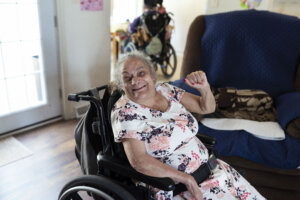
Residential living emphasizes individualized planning, meaning each person receives support tailored to their unique strengths, needs, preferences, and goals. This individualized approach encourages growth because it recognizes that progress looks different for everyone. Whether the goal is improving communication, learning new household skills, practicing self-advocacy, or increasing community participation, staff are trained to guide individuals through incremental steps that build competence and independence. Over time, these small successes reinforce a person’s sense of capability, which is essential for long-term personal growth.
Stability is another core outcome supported by residential living. Many individuals entering these services come from environments that may have lacked consistency, predictability, or reliable support. The structured routines and standardized safety practices create a foundation where individuals can feel secure. This stability allows them to focus on learning and self-improvement rather than navigating uncertainty or unmet needs. Consistent staffing, clear behavioral support plans, and reliable medication administration all contribute to a safe and nurturing environment where individuals can thrive.
Mentorship and relationship-building further enhance personal growth within residential living. Direct support professionals play a significant role in modeling positive behaviors, teaching coping skills, promoting emotional regulation, and fostering meaningful daily interactions. These relationships cultivate trust, a critical factor for individuals who may have experienced instability or marginalization in the past. When individuals feel supported and respected, they are more likely to take risks, try new things, and advocate for their needs. The social and emotional benefits of these relationships often extend beyond the home and into community settings.

Community integration is another key component of growth within residential living. Individuals are encouraged to participate in community activities, volunteer opportunities, employment settings, and social events. Through these experiences, they develop social skills, build natural supports, and gain greater autonomy. This not only broadens their experiences but also strengthens their identity as active, valued members of the community. Each successful interaction reinforces their sense of belonging and personal agency.
Ultimately, residential living serves as more than just a place to live, it is a launchpad for lifelong development. The combination of individualized support, structured stability, skilled mentorship, and community engagement creates an environment where individuals can grow confidently and consistently. By focusing on person-centered goals and fostering independence at every opportunity, these services help individuals build the skills and resilience needed to lead fulfilling, self-directed lives.