


By: Melissa Martinez, Director of Children’s Services
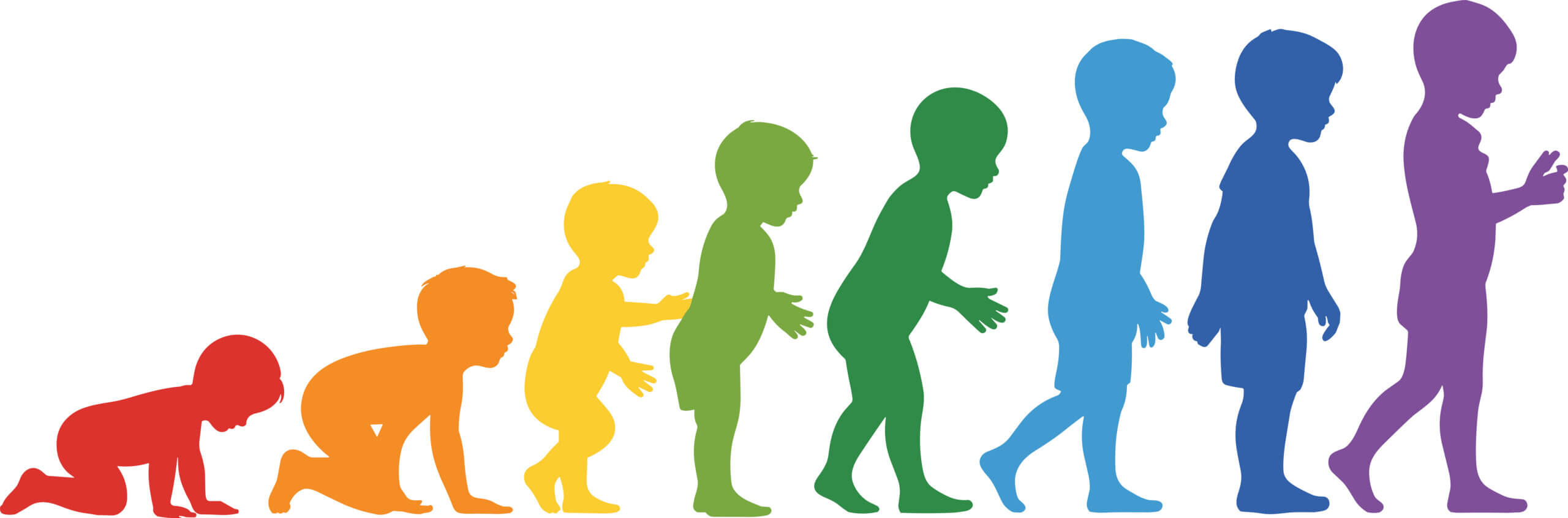
Parents play an important role in their child’s health and development. Every child develops at their own pace, but having a general understanding of speech, motor, and behavioral development can help parents feel more confident and supported. As children grow from infancy through adolescence to adulthood, they progress through developmental stages that are important across all aspects of their lives. Parents are expected to provide encouragement and support for activities that help their children reach key developmental milestones and improve their well-being.
Speech and Language Development
Tracking a child’s speech and language development milestones is important in helping parents understand their child’s overall development, and allows them to identify when there may be a delay, and in turn, when this delay might indicate a bigger problem. Speech and language skills begin long before a child says their first word. Babies communicate through sounds, facial expressions and gestures, gradually building towards words and sentences. By toddlerhood, children typically begin combining words and following simple directions. Parents can support speech development by talking often, reading together daily, and responding to their child’s attempts to communicate, even when words aren’t clear yet. If a child is not using words, has difficulty understanding language, or shows frustration when trying to communicate, a speech-language evaluation may be helpful.
Motor Development
Motor milestones are the physical skills that most kids achieve within a general timeframe. They’re divided into gross motor skills (such as crawling and walking) and fine motor skills (such as grasping a toy or holding a crayon). Think of your child’s motor development like building a house. Before we can put up walls and a roof, we need a solid foundation. In movement terms, this means developing core strength and stability before mastering more complex skills. Providing opportunities for active play, climbing, drawing, and hands-on activities helps strengthen coordination and confidence. If a child appears unusually clumsy, avoids movement, or struggles with tasks like holding utensils or buttons, an occupational or physical therapy consultation can provide guidance and support.
Behavioral Development
Behavioral milestones are essential for building character and positive social interactions. Here are some strategies to guide your child’s behavioral development:
- Self-Regulation: Teach self-control by establishing consistent routines, providing clear boundaries, and encouraging deep breathing or counting techniques when they feel overwhelmed.
- Emotional Intelligence: Help your child identify and express emotions by validating their feelings and providing a safe space for them to discuss their experiences. Encourage problem-solving and positive coping mechanisms. Encourage children to learn from their mistakes by providing them with opportunities to make decisions, experience consequences, and reflect on their actions. This approach promotes critical thinking and emotional intelligence development.
- Social Skills: Guide your child in developing empathy, sharing, and turn-taking skills. Role-play various social situations and discuss appropriate behaviors to encourage positive social interactions.
Behavior is a child’s way of communicating needs, emotions, and experiences. Tantrums, difficulty with transitions, or challenges following directions are often part of typical development, especially in early childhood. Consistent routines, clear expectations, and positive reinforcement can support healthy behavior. Teaching children simple coping strategies, such as taking deep breaths or using words to express feelings, can also be helpful. When behaviors are intense, frequent, or interfere with daily life, professional support may be beneficial.
When to Seek Support
Trust your instincts as a parent. If you have concerns about your child’s development, early support can make a significant difference. Services such as speech therapy, occupational therapy, and behavioral support can help children build essential skills and empower families with tools they can use at home.
Supporting your child’s development is a journey. With knowledge, patience, and the right support, parents can help their children thrive in communication, movement, and behavior, today and for years to come.